Brain Gym with Circus Skills
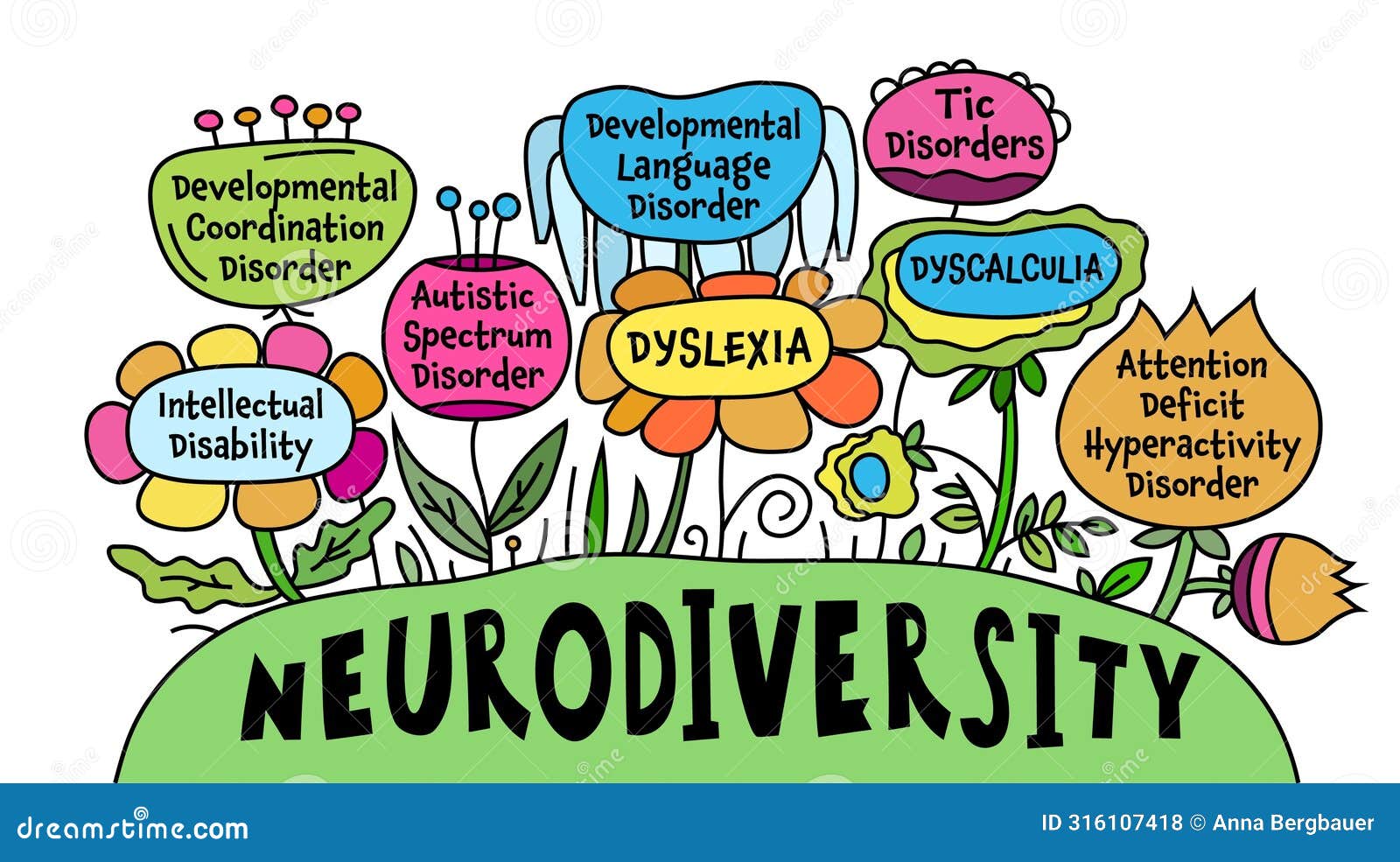
At the age of 8, Kate Wright was diagnosed with Dyslexia and put into a special needs school, complete with extra lessons from the Headteacher.
As it would many kids, it got Kate down
Now, through Circus Skills and Poi, Kate helps others with Learning Difficulties to understand the art and benefit of play through Circus Skills; and has helped many other people to understand how amazing they are!
See link for more info https://www.youtube.com/watch?v=9_mwgJCVh40

Brain Gym exercises, through Circus Skills, are part of an educational movement-based program that uses simple movements and circus skills to fire up all areas of the brain. Learning through movement and breathwork gives us an understanding of how our right and left brains work. Brain Gym was set up to help children and adults with learning restrictions and has now gone on to be good practice for everybody, for everyday life. Self-esteem, confidence, coordination, organisation, awareness, creative expression, and freedom to have happiness in one’s flow of life are all increased.
Advantages and Benefits
Here are just some of the benefits of learning Circus Skills with Poi Passion:
According to scientific research, Circus Skills allow students to increase their concentration, coordination, information retention, and reaction times, as well as actually increase grey and white matter in the brain. It’s also been linked to improved academic scores.
It boosts positive learning, self-confidence, self-awareness, and self-esteem while encouraging cooperation, performance, and risk management skills.
It reinforces patience, persistence, and poise and helps you learn to break down problems into manageable chunks.
Dr Hannaford, PhD, has said, “Cross-lateral movements actually improve the nerve communication between the two sides of the brain” and that “Studies show that movement and stimulation of balance help attention disorders and improve reading.”

Physically, Circus Skills offers great exercise. The balancing equipment alone can work your core, abs, quads, and hamstrings and, depending on the technique, can work the calves, lower back, and obliques. It also activates your Vestibular system, preparing the brain to learn.
Other skills can work the upper body, including biceps, triceps, forearm and hand muscles, traps, deltoids, pecs, and neck muscles, as well as being a great cardio workout.
In addition, it enhances cross-curricular learning, spatial awareness, and peripheral vision as well as timing, rhythm, focus, and fine and gross motor skills.
In the professional sphere, learning Circus Skills can lead to jobs and volunteering opportunities in Performance, Events Management, Administration, Teaching, Workshop Leading, and Community and Charity work.
Most importantly, Circus Skills are great fun for children and adults, promoting laughter, achievement, and confidence.